Types of Affordable Housing Developments

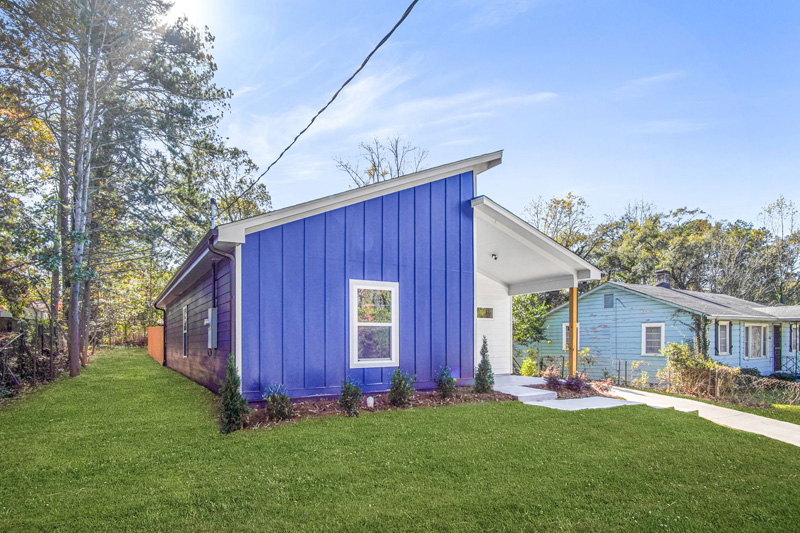
  • Single-Family Affordable Housing

    Detached homes built for sale at below-market prices, often targeting first-time buyers or lower-income families.

  • Multifamily Affordable Housing

    Apartment buildings or townhomes constructed for affordable homeownership opportunities.

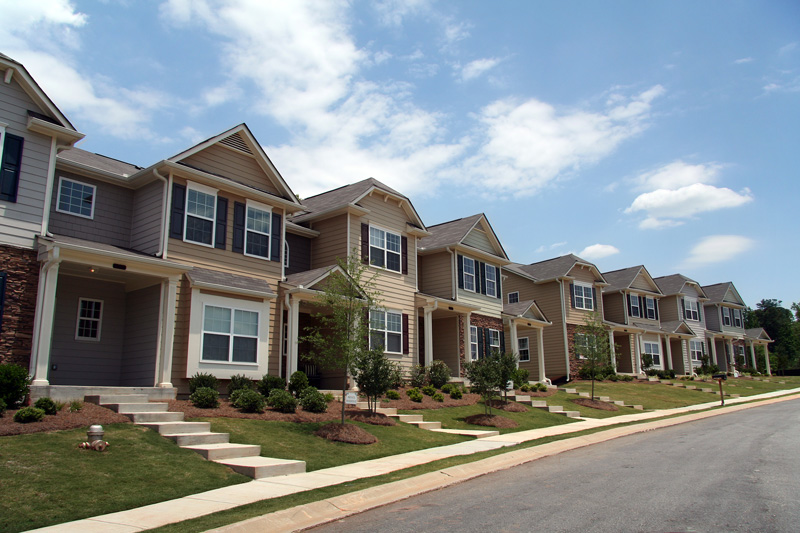
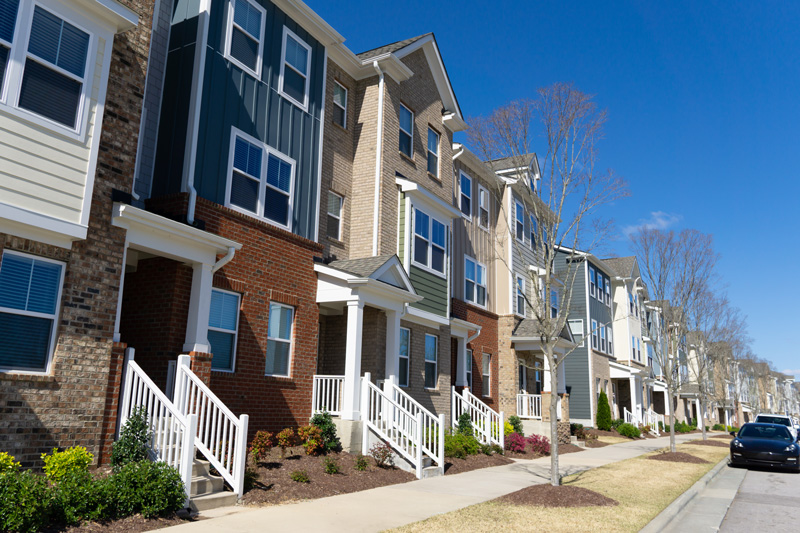
  • Townhome Developments

    Affordable multi-level housing units designed for middle-income buyers looking for cost-effective homeownership.

  • Workforce Housing

    Housing designed for moderate-income earners such as teachers, nurses, and first responders, typically sold at reduced prices.

  • Mixed-Income Housing

    Developments that integrate both market-rate and affordable homes within the same community.
A title

Image Box text

  • Manufactured Homes

    Factory-built housing units placed on permanent foundations and sold as affordable homeownership options.

  • Community Land Trust (CLT) Homes

    Affordable homes where buyers own the home, but the land is held by a trust to keep prices affordable for future buyers.

  • Transit-Oriented Affordable Housing

    Developments built near public transportation hubs to reduce commuting costs for low- and middle-income buyers.

Ownership and Investment Structures

  • Fee Simple Ownership

    The buyer owns both the home and the land outright.

  • Shared Equity Ownership

    A financing model where the buyer shares home appreciation with a government agency or nonprofit in exchange for purchase assistance.

  • Leasehold Ownership

    The homebuyer owns the structure but leases the land, reducing upfront costs.

  • Public-Private Partnership (PPP)

    A collaboration between private developers and government entities to create affordable housing.

  • Nonprofit Housing Development 

    Affordable homes developed by nonprofit organizations with the goal of keeping housing costs low.
    .

A title

Image Box text

  • Inclusionary Zoning Homeownership

    Local policies requiring new developments to include a percentage of affordable homes for sale.

  • Affordable Housing Syndication

    Pooling investor funds to develop affordable housing for sale while benefiting from government incentives.

Revenue Streams & Financial Incentives

  • Down Payment Assistance (DPA)

    Grants or low-interest loans provided to homebuyers to help cover down payments.

  • Tax Increment Financing (TIF)

    A funding mechanism where increased property tax revenues from a development area are used to support affordable housing.

  • Low-Income Housing Tax Credits (LIHTC)

    A government incentive allowing developers to offset tax liability in exchange for building affordable housing.

  • Affordable Housing Trust Funds

    State or local funds that provide financing for affordable home developments.

  • Deed-Restricted Homes

    Homes with resale restrictions that ensure they remain affordable for future buyers.

A title

Image Box text

  • First-Time Homebuyer Grants

    Government or nonprofit grants that reduce the purchase cost for first-time homebuyers.

  • Impact Fees Waivers

    Reductions or eliminations of local development fees to incentivize affordable housing construction.

Key Financial Metrics for Developers & Investors

  • Sales Absorption Rate

    The speed at which homes are sold after construction is completed.

  • Loan-to-Cost (LTC) Ratio

    The ratio of the loan amount to the total development cost.

  • Internal Rate of Return (IRR)

    Measures the profitability of the development over time.

  • Cash-on-Cash Return

    The return on cash invested in the project before financing.

  • Debt Service Coverage Ratio (DSCR)

    The ratio of net operating income to debt payments, used for financing approvals.

  • Break-Even Sales Price

    The minimum price at which homes must be sold to cover all costs.

  • Price-to-Income Ratio

    A metric comparing home prices to local median incomes to determine affordability.

A title

Image Box text

  • Cost Per Unit

    The total cost of development divided by the number of homes built.

  • Net Profit Margin

    The percentage of revenue remaining after construction and selling costs.

  • Housing Affordability Index (HAI)

    Measures whether the average household can afford to purchase a median-priced home in the area.

  • Subsidy per Unit

    The amount of government or nonprofit funding needed per home to keep prices affordable.

  • Soft Costs

    Non-construction costs like permitting, design, and legal fees that impact total development expenses.

Infrastructure & Development Terms

  • Site Plan

    The master layout of roads, utilities, and home placements within the development.

  • Zoning Regulations

    Local government rules that dictate how the land can be used for residential development.

  • Entitlements

    Government approvals required before construction begins.

  • Construction Timeline

    The schedule for building and delivering affordable homes to buyers.

  • Density Bonus

    A policy allowing developers to build more units than normally permitted if they include affordable housing.

  • Sustainable Building

    The use of energy-efficient and eco-friendly materials to lower long-term costs for homeowners.

A title

Image Box text

  • Utility Infrastructure

    Water, sewage, electricity, and gas services that must be installed before homes are sold.

  • Homebuyer Education Programs

    Training offered to potential buyers on financing, budgeting, and home maintenance.

  • Land Banking

    The practice of acquiring and holding land for future affordable housing development.

Regulatory Considerations & Compliance

  • Fair Housing Act Compliance

    Ensuring home sales do not discriminate based on race, gender, or other protected characteristics.

  • Income Qualification Requirements

    Rules that determine which buyers are eligible for affordable housing.

  • Inclusionary Housing Ordinances

    Local laws requiring developers to include a percentage of affordable homes in their projects.

  • Federal Housing Administration (FHA) Loans

    Government-backed loans with lower down payment requirements for qualified buyers.

  • Local Housing Authority (LHA)

    Government agencies responsible for overseeing affordable housing programs.

A title

Image Box text

  • Community Reinvestment Act (CRA) Compliance

    Ensuring financial institutions contribute to affordable housing development.

  • Property Tax Exemptions

    Reduced or eliminated property taxes for affordable housing developments.

  • Resale Restrictions

    Legal agreements limiting how much a home can appreciate to keep it affordable for future buyers.

Financing & Investment Terms

  • Construction Loan

    Short-term financing used to fund building affordable homes before they are sold.

  • Permanent Financing

    Long-term mortgage financing secured after construction is complete.

  • Loan-to-Value (LTV) Ratio

    The loan amount compared to the appraised value of the property.

  • Mezzanine Financing

    A mix of debt and equity financing to bridge funding gaps in the development process.

  • Subsidized Mortgage Loans

    Government-backed loans that reduce interest rates for qualified homebuyers.

  • Community Development Block Grants (CDBG)

    Federal funds allocated to local governments for affordable housing projects.

A title

Image Box text

  • Home Investment Partnerships Program (HOME)

    Federal funding for affordable homeownership programs.

  • Nonprofit Housing Bonds

    Bonds issued to raise capital for affordable housing projects.

  • Bridge Loan

    Short-term financing used to acquire land before securing permanent development funding.

  • Tax Credit Equity

    Investor capital provided in exchange for tax credits that support affordable housing projects.

Market & Economic Factors

  • Affordable Housing Demand Index

    Measures the local need for affordable housing based on income and population data.

  • Market Home Price Appreciation

    The rate at which home values increase over time.

  • Job Market Impact on Housing

    The effect of employment growth on home affordability and demand.

  • Median Household Income (MHI)

    The midpoint of all household incomes in a region, used to assess affordability.

  • Area Median Income (AMI)

    A standardized metric used to determine affordable housing eligibility.

  • Cost-Burdened Households

    Households that spend more than 30% of their income on housing.

A title

Image Box text

  • Mortgage Rate Trends

    The fluctuations in interest rates that affect home affordability.

  • Housing Supply and Demand Dynamics

    The balance between available affordable homes and potential buyers.

  • Gentrification Impact on Affordability

    How rising property values in revitalized areas affect housing affordability.